Criterion
-
Main job
-
Chemistry
-
Shore A hardness
-
Skin time
-
Approval stated by Sika
A marine sealant is an elastic compound that seals and bonds joints on board while the structure keeps moving — vibration, thermal expansion, hull flex. It cures in the joint into a rubber that takes the movement instead of cracking.
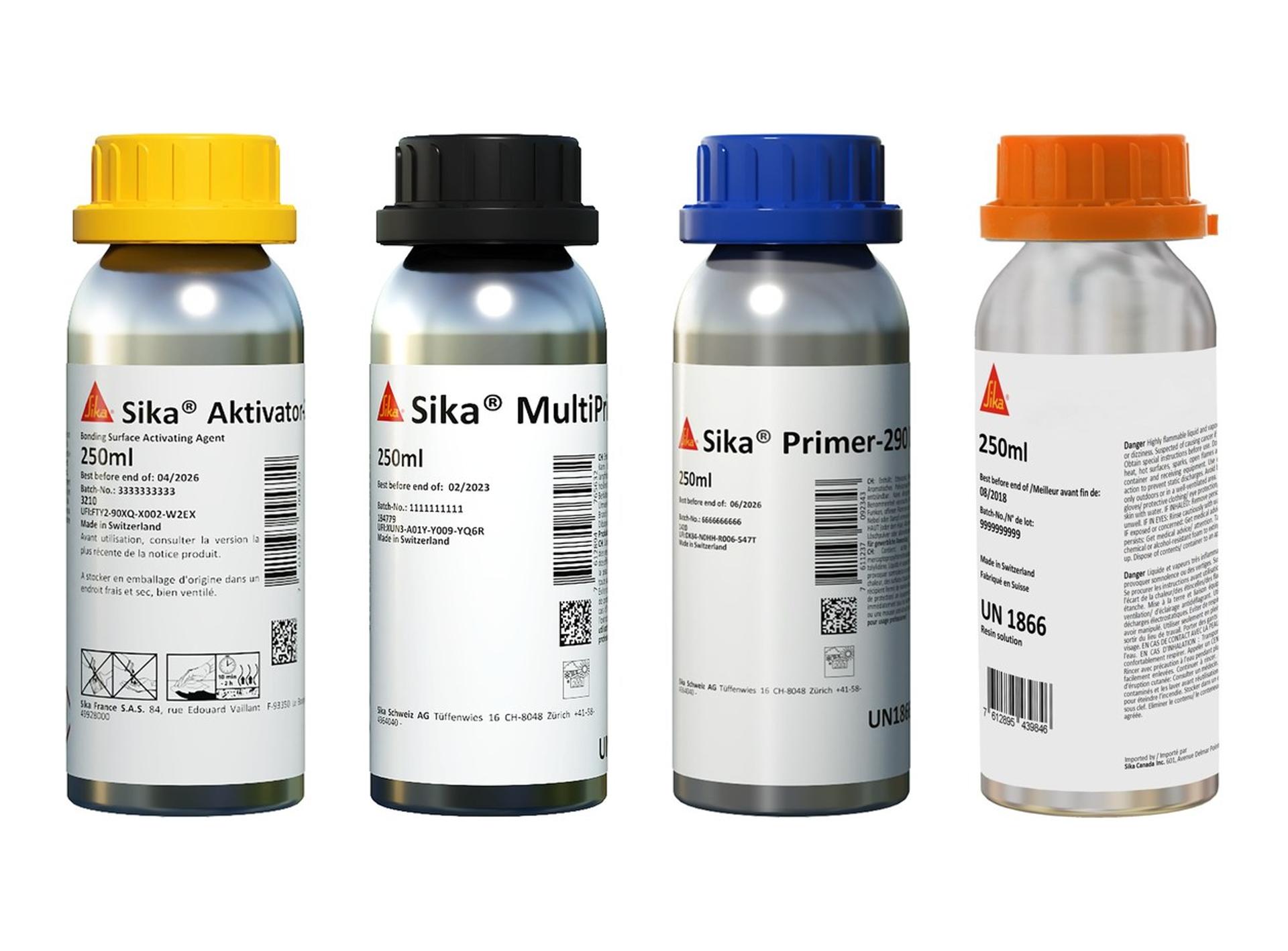
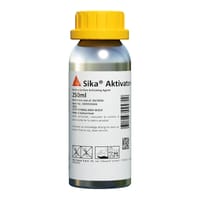
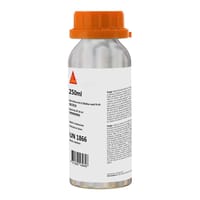
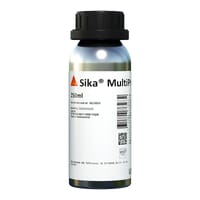
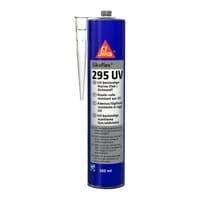
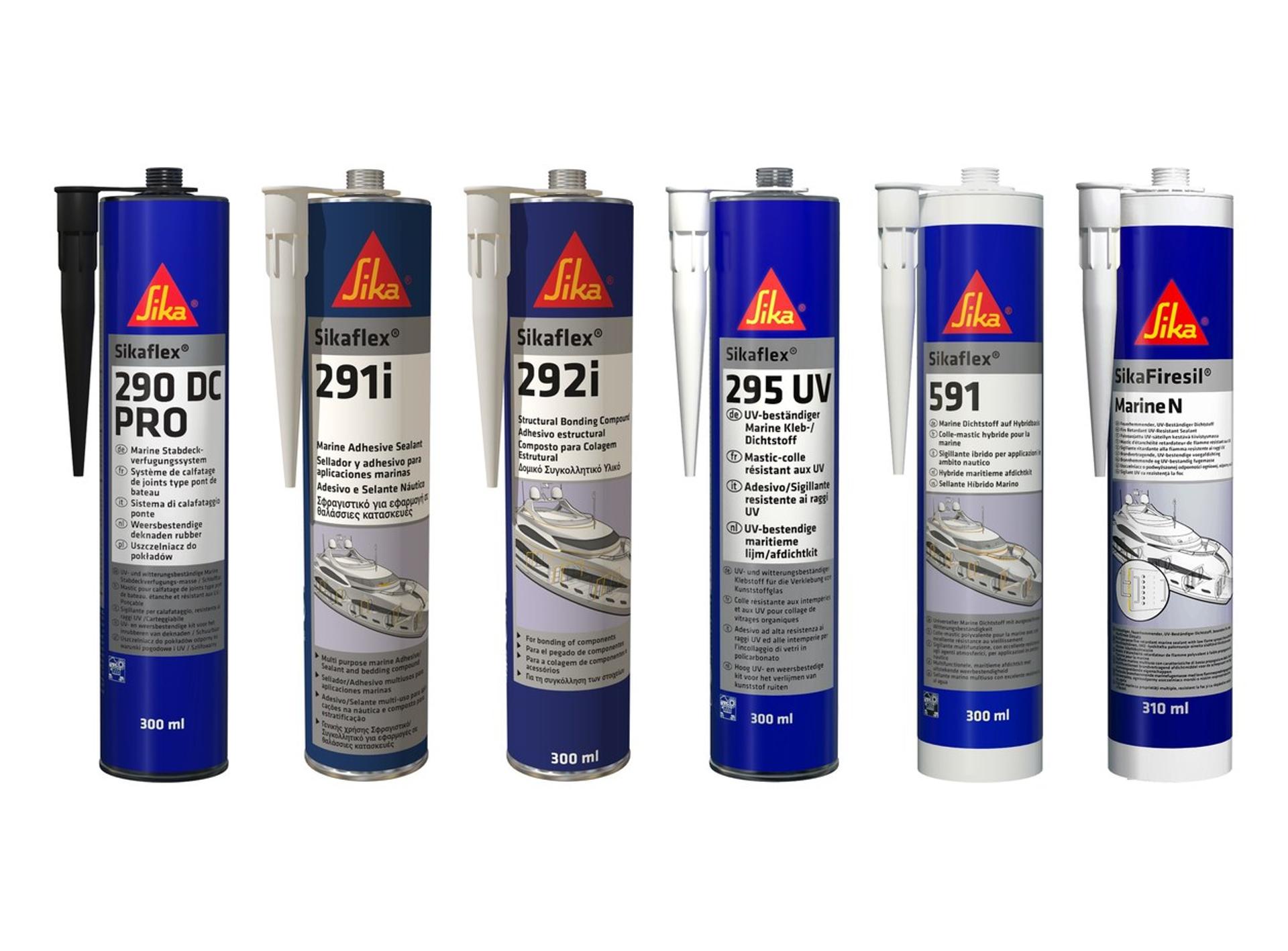
Trivaro supplies the Sikaflex marine range — 291i for joints, 292i for structural bonding, 295 UV for glazing, 591, teak deck caulking and bedding, fire-rated SikaFiresil Marine N — together with the activators and primers they go over, delivered across Europe with data sheets.
A ship is never still. A rigid joint cracks at the first season of vibration and temperature swing — an elastic one is designed for it. That changes six things.
The cured bead stretches and recovers, so hull flex, engine vibration and thermal expansion stay in the joint instead of opening it.
The same bead keeps water out and holds the part in place — fittings, hatches, rub rails and panels are sealed and bonded in one operation.
Aluminium to GRP, steel to glass, teak to deck: an elastic adhesive bridges materials that expand at different rates.
Nothing to mix on deck. The cartridge cures with atmospheric moisture — skin in 15 to 90 minutes depending on the product.
Wheelmark-approved grades for accommodation and interior joints, and a fire-retardant silicone for joints in fire-rated divisions.
Interior grades can be overpainted; teak deck caulking is sanded flush with the deck like the timber around it.
Rule of thumb: 291i for joints, 292i when the bond carries load, 295 UV when glass or sunlight is involved, 591 when one product must do interior and exterior. Teak decks and fire-rated joints have their own products.
Main job
Chemistry
Shore A hardness
Skin time
Approval stated by Sika
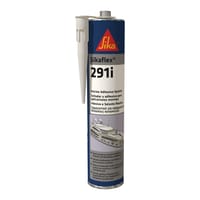
Multipurpose joint sealing, interior
1-C polyurethane
40
~60 min
Wheelmark
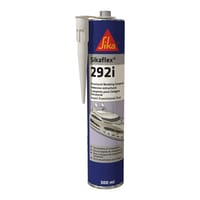
Structural bonding of components
1-C polyurethane
40
~40 min
Wheelmark
Direct glazing (PC, PMMA), exterior sealing
1-C polyurethane, UV-resistant
35
~60 min
Wheelmark
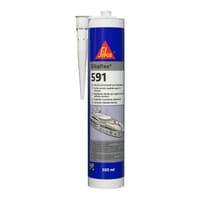
Sealing & bonding, in and out, above and below waterline
1-C silane-terminated polymer
45
~35 min
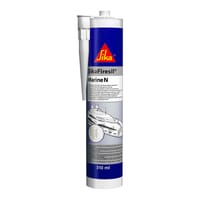
FTP Code Part 5 tested
Seven sealants and adhesives and four pre-treatments from the Sika marine programme. Tell us the joint and the two materials — we return the product and its primer.
Four steps. Skipping the second one is the most common reason a marine joint fails.
Bond faces dry, free of dust, grease and release agents. Old sealant is removed mechanically.
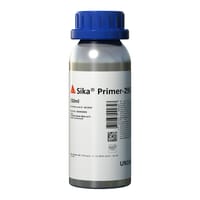
Sika Aktivator-205 on non-porous faces, SikaMultiPrimer Marine on metals and timber, SikaPrimer-290 DC on teak decks — and the flash-off time respected.
Bead from the cartridge or unipack, tooled within the skin time. Joint dimensions follow the data sheet, not the gap that happens to be there.
The bead cures with air humidity from the surface inwards. Load, sanding or overpainting wait until the data sheet says so.
What sits under the joint and next to it on deck.
The whole Sika range in build-up order — Sikafloor Marine-109/119 screeds, primers, teak deck caulking and which Sikaflex for which joint.
Epoxy and polyurethane deck systems — the jointless alternative to sealed sheet floors.
What Wheelmark, MED modules and the FTP Code mean for products on board.
The full programme — screeds, A-60 systems, primers, insulation and coverings.
What yards, boatbuilders and superintendents ask before ordering.
An elastic, one-component compound that seals and bonds joints on board while the structure keeps moving — vibration, thermal expansion, hull flex. Most are polyurethane or silane-terminated polymer and cure with air humidity into a rubber of around Shore A 25–45. The cured bead takes the movement instead of cracking — which is why it is used for fittings, hatches, glazing, teak decks and interior joints.
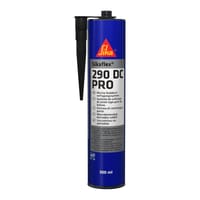
291i — multipurpose joint sealing. 292i — structural bonding of components. 295 UV — direct glazing of PC/PMMA and exterior sealing. 591 — sealing and bonding inside and out, above and below the waterline. 290 DC PRO caulks teak deck seams, 298 FC beds teak strips and synthetic deck coverings, and SikaFiresil Marine N seals fire-rated joints.
Sikaflex-291i, 292i and 295 UV are Wheelmark approved under the EU Marine Equipment Directive. SikaFiresil Marine N is stated as IMO approved for low flame spread (FTP Code Part 5), and Sikaflex-591 is tested to the 2010 FTP Code Annex 1, Part 5. For Sikaflex-290 DC PRO and the Sikaflex-298 range Sika states that they meet IMO requirements. Data sheets come with every order; certificates are obtained from Sika for your classification file on request.
Usually yes — adhesion is decided by the pre-treatment, not the sealant. Aktivator-205 for non-porous faces (metals, plastics, painted surfaces), SikaMultiPrimer Marine for metals and timber before polyurethane Sikaflex, SikaPrimer-290 DC for teak, mahogany and GRP before deck caulking or bedding. Confirm the combination against Sika’s pre-treatment chart and test it on the actual material.
Polyurethane (291i, 292i, 295 UV, 290 DC PRO, 298 FC) is the classic marine chemistry with the widest approvals. Sikaflex-591 is a silane-terminated polymer — one product for interior and exterior sealing and bonding, above and below the waterline, with a 35-minute skin time and Shore A 45. Choose by the job and by the approval your class or flag requires.
Sealants in 300 ml cartridges (boxes of 12) and 600 ml unipacks (boxes of 20); activators and primers in 250 ml and 1000 ml cans. Stock items ship from Sika’s Baltic and Finnish warehouses, typically within about a week; SikaFiresil Marine N is made to order in one to three weeks. Send quantities and the delivery port for a B2B quotation.
Trivaro supplies the Sikaflex marine range across Europe — sealants, structural adhesives, glazing and teak deck products, fire-rated silicone and the activators and primers beneath them, with data sheets for your file.
Send the joints, the materials on each side and the quantities. We respond with the product and pre-treatment per joint and a B2B quotation.