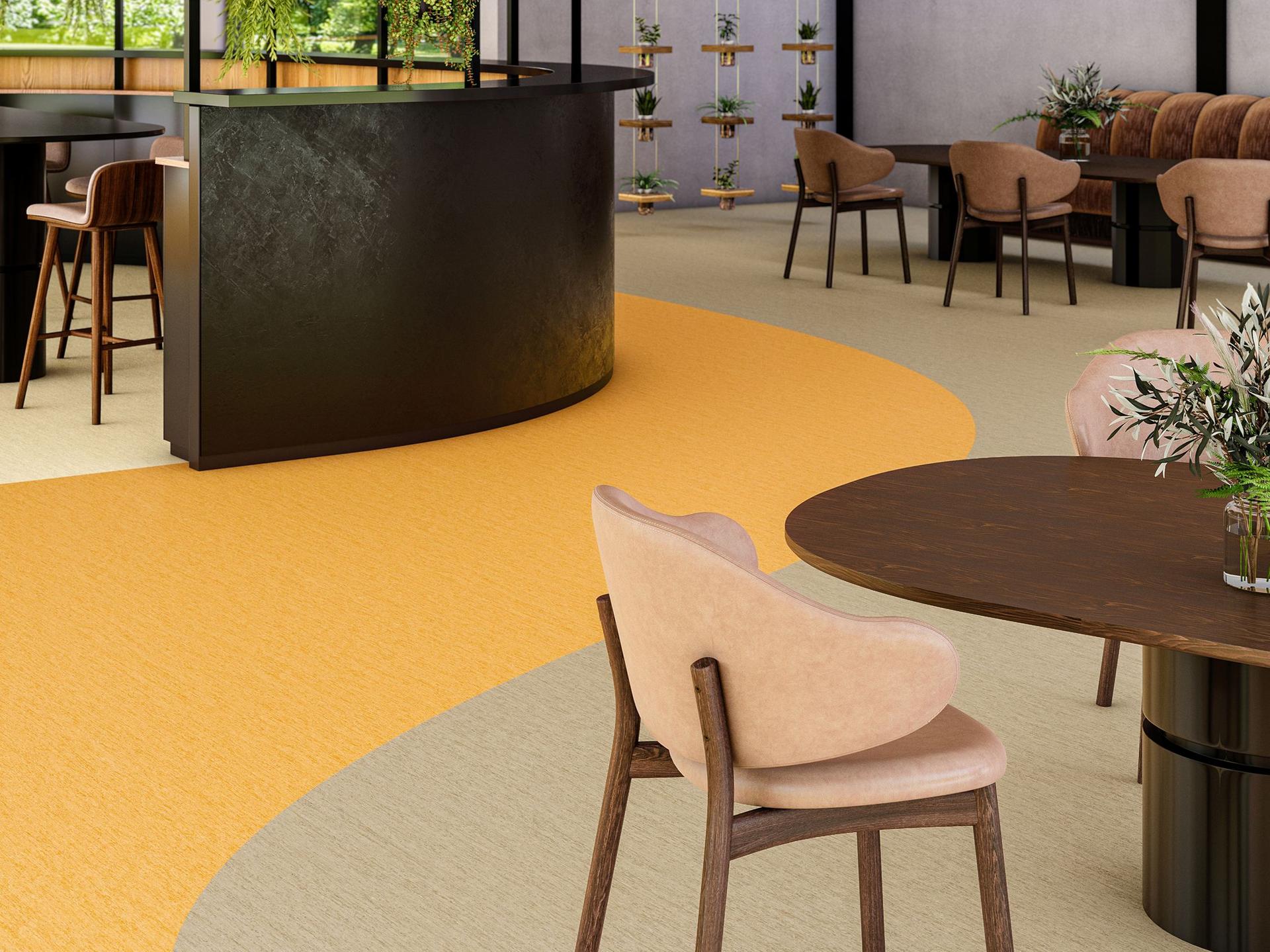
Criterion
-
Hygiene & decontamination
-
Abrasion / rolling loads
-
Design variety
-
Chemical resistance
-
Electrical properties
-
Acoustic options
Homogeneous vinyl is a single‑layer, through‑pattern sheet engineered for maximum wear resistance and seam‑welded hygiene. It is specified where clinical cleanliness, durability and ease of decontamination are critical. We provide materials supply for B2B clients — installation is handled by your appointed contractor/installer.
Wards, treatment rooms and corridors where infection control and continuous cleaning regimes are mandatory.
Instrument rooms and cleanrooms where chemical exposure, ESD control and seam‑welded hygiene are critical.
High‑footfall corridors, canteens and public buildings requiring robust, easy‑to‑clean surfaces.
Terminals, service areas and utility zones where heavy use and durability outweigh design variety.
Choose Homogeneous where hygiene, durability and color‑through wear are the top priorities (hospitals, labs, corridors).
Hygiene & decontamination
Abrasion / rolling loads
Design variety
Chemical resistance
Electrical properties
Acoustic options
Best‑in‑class (welded + coved)
Excellent
Medium (color‑through)
High (selected lines)
Optional (standard)
Limited
Excellent (welded + coved)
Excellent
Very high (prints/textures)
Medium / High
Optional (standard)
Up to ~19 dB
ESD‑focused (welded + coved)
Excellent
Medium (functional)
High (specific lines)
Required (conductive/dissipative)
Limited
How to match homogeneous sheet specification to the demands of clinical, lab and public‑building environments.
Opt for chemical‑resistant homogeneous variants in treatment / clean rooms. Use coved skirtings and sealed penetrations for infection control.
Consider ESD/EC builds in instrument rooms; ensure chemical compatibility with typical agents and cleaning protocols.
Dense composition handles heavy corridor traffic and frequent cleaning; choose mid‑tone colors to mask scuffs.
Materials supply with optional professional installation. Or use your own contractor/installer.
Project lots to bulk pallets (MOQ varies).
Stock vs made‑to‑order by color.
Datasheets, DoP/DoC, fire/slip/chemical tests, EPD/LCA on request.
Color chips / A4 boards for submittals.
Spec wording, maintenance guides for FM teams.
Compare the ranges in this category side by side — live specs, static-control options and every product in one table.
iQ Granit, static‑dissipative Granit SD and Granit Acoustic — through‑colour wear and no‑wax maintenance compared. Compare the range →
The heterogeneous alternative when design variety leads the brief — four duty levels from 0.7 to 1.0 mm wear. Compare the range →
Here you'll find answers to the most common questions our customers ask when choosing flooring. This section is designed to help you make confident and informed decisions. If you don't see the information you're looking for, feel free to contact our support team — we're always here to help.
Through‑pattern, single‑layer composition + welded seams deliver top‑tier hygiene and abrasion resistance.
Use a dedicated wetroom system with integrated drains/upstands for continuously wet areas.
Acoustic options are limited; if acoustics are critical, consider heterogeneous acoustic or underlay solutions.
Heat‑welded patches using color‑matched rods; keep attic stock from the original batch for best blending.
Yes — use Static Control homogeneous variants (conductive/dissipative) in electronics/IT/labs as needed.
Tarkett
City Line Comfort
Tarkett
Eclipse Premium
Tarkett
Granit Multisafe

Tarkett
Granit Safe.T
Tarkett
Norma
Tarkett
Primo Acoustic
Tarkett
Primo Plus
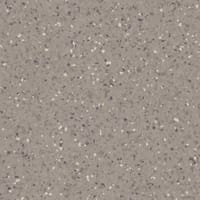
Tarkett
Primo Premium
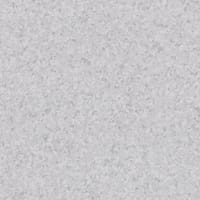
Tarkett
Primo SD

Tarkett
Primo Safe.T

Tarkett
STANDARD PLUS (1.5 mm)
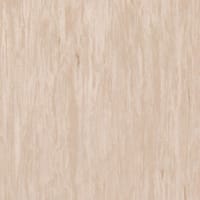
Tarkett
Standard Plus (2.0 mm)

Tarkett
Vylon Plus
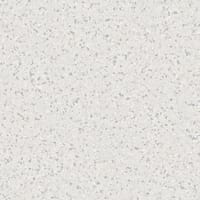
Tarkett
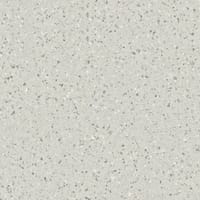
iQ Eminent
Tarkett
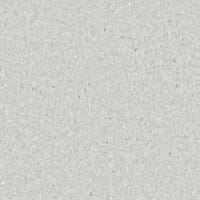
iQ Eminent Acoustic
Tarkett
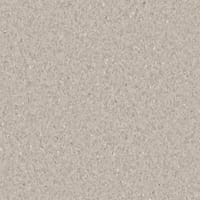
iQ GRANIT ACOUSTIC
Tarkett
iQ Granit

Tarkett
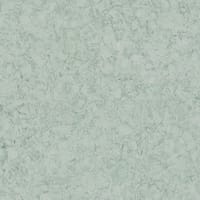
iQ Granit SD
Tarkett
iQ Megalit
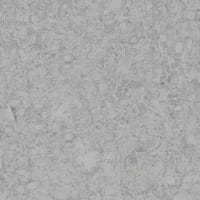
Tarkett
iQ Megalit Acoustic
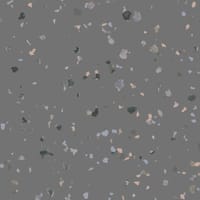
Tarkett
iQ Motion
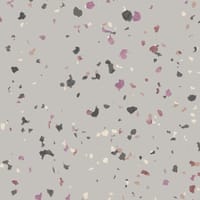
Tarkett
iQ Motion Acoustic

Tarkett
iQ Natural
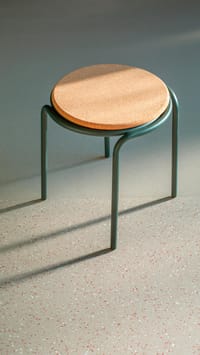
Tarkett
iQ Natural Acoustic
Tarkett
iQ OPTIMA (1.5 mm)
Tarkett
iQ Optima
Tarkett
iQ Optima Acoustic
Tarkett
iQ Surface
Tarkett
iQ Surface Acoustic
Tarkett
iQ Toro SC