Criterion
-
Moisture resistance
-
Dimensional stability
-
Underfoot comfort
-
Acoustic performance
-
Renovation speed
-
Repair/replace
-
Weight/handling
-
Typical use
Trivaro is a **B2B materials supplier** — we supply specifiers, contractors and fit‑out teams across Europe with documented commercial LVT, not retail sales. Typical clients:
Specification text, fire/slip documentation and EPD/LCA data for tender packages and BIM décor schedules.
Palletized bulk supply, consistent batches and lead‑time visibility for office, retail and hospitality fit‑outs.
Heavy‑duty class 33–34 LVT for offices, retail units, healthcare and multi‑family amenity floors that have to last.
IMO/MED certified marine vinyl and LVT for passenger vessels and superyachts — see our marine segment.
LVT delivers premium wood/stone visuals, modular flexibility, and robust commercial wear layers. A top choice for office fit‑outs, retail boutiques, hospitality and multi‑family amenities — where fast renovation, easy repair and design consistency are key.
Deep textures, bevels, emboss‑in‑register, wide planks/large tiles.
Tile‑by‑tile swaps minimize downtime.
Wear layers typically 0.3–0.7 mm; commercial classes 33–34.
Underlays and acoustic builds for impact sound reduction and underfoot comfort.
Options with recognized indoor air labels (request certificates).
Glue‑down for high traffic/rolling loads; click for speed in refurbishments.
Rule of thumb: choose glue‑down LVT for high traffic and rolling loads; choose click LVT for speed in occupied areas. For extreme temperature swings or demanding subfloors, consider SPC.
Moisture resistance
Dimensional stability
Underfoot comfort
Acoustic performance
Renovation speed
Repair/replace
Weight/handling
Typical use
High
Good
High (with underlay)
Good (with underlay)
High (click) / Medium (glue)
Easy (tile/plank)
Light
Offices, retail, MFH
Very high (waterproof core)
Excellent (rigid)
Medium
Medium
High (click)
Easy (tile/plank)
Light‑medium
Retail, kitchens, corridors
Medium
Medium
Medium
Medium
High
Medium
Light
Residential/light commercial
Excellent
Excellent
Low
Low
Low
Difficult
Heavy
Wet zones, back‑of‑house
Different commercial environments put different demands on LVT. Here is how to specify the right build‑up, wear layer and installation method by sector — so your project lands on spec the first time.
Choose glue‑down for open‑plan areas with castor chairs; add an acoustic underlay in meeting rooms. Mix wood planks in work zones with stone tiles in reception for quiet zoning without dividers.
Specify wear layer ≥0.55 mm and use matting at entrances to trap grit. Consider SPC near shopfronts and large windows where thermal swings are high, and pair with durable skirting.
Click LVT accelerates room‑by‑room refurbishments in hotels and multi‑family amenities. Use water‑resistant builds in kitchenettes (not wetrooms) and ensure acoustic underlays meet impact‑sound targets.
Materials supply with optional professional installation. Or use your own contractor/installer.
Cartons to palletized bulk.
Stock vs made‑to‑order by décor.
Datasheets, DoP/DoC, fire/slip tests, EPD/LCA on request.
Planks/tiles, mood boards.
Assistance with spec text, color rationales, maintenance guides.
In‑depth reading for specifiers and contractors planning a commercial LVT project.
Wear class, fire (Bfl‑s1), slip, adhesives and documentation — how to specify LVT for contract projects. Read the guide →
Flexible LVT or rigid‑core SPC? Cores, stability, temperature, subfloor and installation compared. Read the comparison →
Glue‑down 30/55/70, rigid Click Solid, Loose‑Lay and the IMO‑certified Marine line — all seven lines compared side by side. Compare the range →
Adhesive‑free rigid‑click LVT in Classics and Naturals designs, 0.30–0.70 mm wear layers. Compare the range →
Here you’ll find answers to the most common questions specifiers and contractors ask when choosing commercial LVT. For a deeper dive, see our commercial LVT specification guide and the LVT vs SPC comparison. If you don’t see what you’re looking for, contact our team — we’re always here to help.
Commercial LVT is specified by performance class, not just looks. It uses a thicker wear layer (0.55 mm and above for heavy commercial), a higher EN ISO 10874 use class (33–34, selected 41–43), a verified Bfl‑s1 fire reaction class and a documented slip rating (R9–R11). Residential LVT can look identical but uses thinner wear layers (0.2–0.3 mm) and lacks the documentation a contract specification requires. See our commercial LVT specification guide.
For commercial projects specify a wear layer of at least 0.55 mm and EN ISO 10874 use class 33 (heavy commercial) or 34 (very heavy commercial); selected lines reach class 41–43 for light industrial. The wear layer is the clear PUR‑protected top above the decor film — it determines abrasion resistance and service life. Match the class to the actual traffic in each zone.
Most commercial LVT achieves reaction‑to‑fire class Bfl‑s1 under EN 13501‑1 (low contribution to fire, low smoke). The class required depends on building type and escape‑route rules in your jurisdiction. We provide the Declaration of Performance and fire test report for every line so it can be verified against the specification.
Standard commercial LVT is typically R9–R10 (DIN 51130). For wet or high‑risk areas — entrances, healthcare, kitchens — specify a dedicated safety vinyl with R11–R12 and a defined PTV/pendulum value. Trivaro supplies both decorative LVT and safety flooring systems, with slip test data on request.
Glue‑down (dryback) is best for high‑traffic areas, rolling loads (castor chairs, trolleys) and large open spaces — it gives the strongest bond and dimensional stability for class 33–34. Click (floating) speeds up refurbishments and occupied‑space fit‑outs and suits raised access floors, but is not designed for continuous rolling point loads. Choose by traffic and subfloor.
Each line ships with technical datasheets, a Declaration of Performance (DoP/DoC) stating fire class and use class, fire and slip test reports, and on request EPD/LCA environmental data and low‑VOC indoor‑air certificates. We also provide specification text and quantity take‑offs for tender documentation.
Yes. LVT is widely specified for healthcare, education, retail and offices because it combines design flexibility with cleanability and class 33–34 durability. For clinical wet areas or where infection control demands welded seams, pair LVT with homogeneous safety vinyl. We supply across all these sectors with matching accessories and documentation.
Glue‑down LVT is the default for high‑traffic commercial areas and rolling loads thanks to its bond and stability. SPC (rigid core) suits areas with temperature swings (near shopfronts, large glazing), demanding subfloors and fast click installation. Both are vinyl tiles; the difference is the core. See our LVT vs SPC guide for the full comparison.
Yes, if the existing substrate meets flatness, adhesion and moisture requirements. Otherwise it must be removed or prepared with a levelling compound. Always test subfloor moisture (RH or CM%) and record it before any adhesive is opened — skipped subfloor prep is the leading cause of LVT failure.
Yes. We supply IMO/MED certified marine vinyl and marine LVT for passenger vessels, ferries and superyachts — tested to the IMO FTP Code with the EU wheelmark. See our marine flooring segment for the full certified range and classification documentation.
Use acoustic underlays matched to the substrate or specify acoustic LVT lines with an integrated backing. Request the impact‑sound (dB) rating and match it to the project target — important for multi‑storey offices, hotels and multi‑family housing.
With correct specification and maintenance, commercial LVT lasts 10–15+ years in commercial traffic, wear‑layer dependent. A 0.55 mm+ wear layer with a PUR surface and a planned cleaning regime is what delivers the upper end of that range in busy spaces.
Tarkett
Essence 30-55
Tarkett
Essence Rigid 30-55
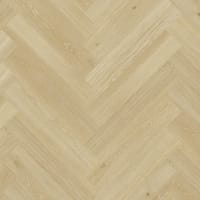
Tarkett
Herringbone Rigid
Tarkett
ModularT 70
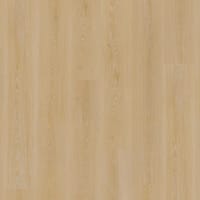
Tarkett
Starfloor Click Solid 55 & 55 Plus

Tarkett
Tarkett Living 30-55

Tarkett
Tilt HIT

Trivaro
Trivaro Essential Wood Grain LVT
from€8.23/m²
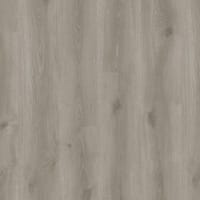
Tarkett
iD Classics
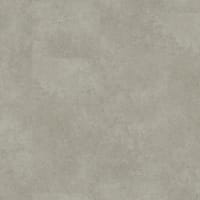
Tarkett
iD Classics Click Ultimate 30
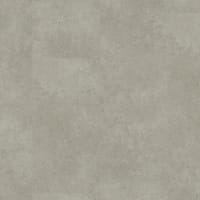
Tarkett
iD Classics Click Ultimate 55
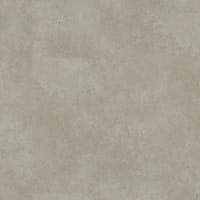
Tarkett
iD Classics Click Ultimate 70
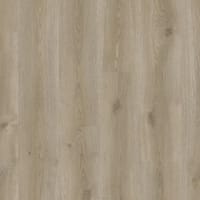
Tarkett
iD Classics Glue-Down 30
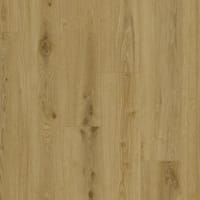
Tarkett
iD Classics Glue-Down 55
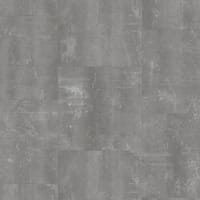
Tarkett
iD Click Ultimate 30
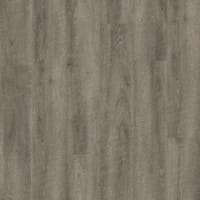
Tarkett
iD Click Ultimate 30 Classics
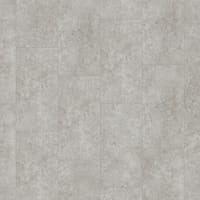
Tarkett
iD Click Ultimate 55-70
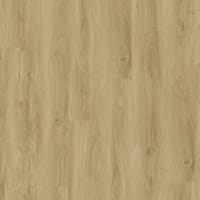
Tarkett
iD Comfort Acoustic
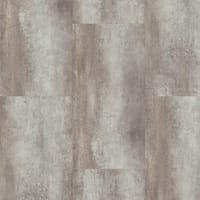
Tarkett
iD Inspiration Marine

Tarkett
iD Mixonomi
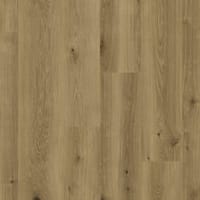
Tarkett
iD Naturals
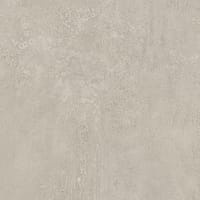
Tarkett
iD Naturals Click Ultimate 55
Tarkett
iD Naturals Click Ultimate 70
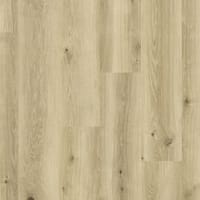
Tarkett
iD Naturals Glue-Down 55
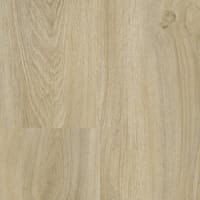
Tarkett
iD Square Loose-Lay
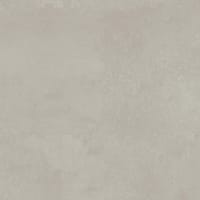
Tarkett
iD Tilt
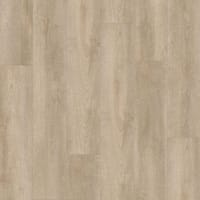
Tarkett
iD Click Ultimate 55-70 Classics
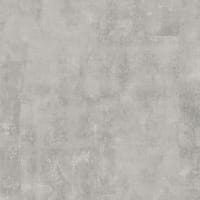
Tarkett
iD Click Ultimate 55-70 Naturals
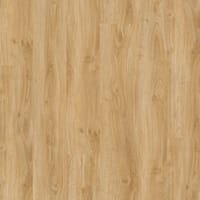
Tarkett
iD Inspiration Click HT 70

Tarkett
iD Tilt HIT
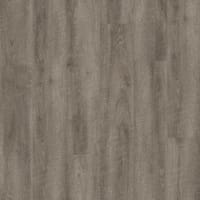
Tarkett
iD inspiration 30
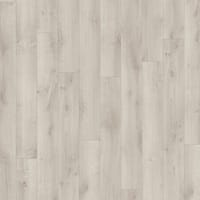
Tarkett
iD inspiration 30 Classics
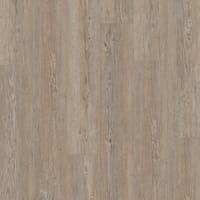
Tarkett
iD inspiration 55
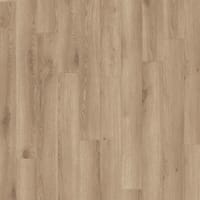
Tarkett
iD inspiration 55 Classics
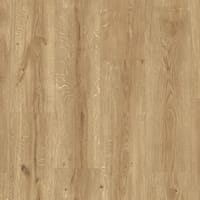
Tarkett
iD inspiration 55 Naturals
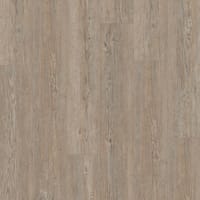
Tarkett
iD inspiration Click Solid 30
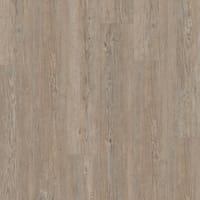
Tarkett
iD inspiration Click Solid 55
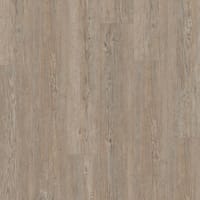
Tarkett
iD inspiration High Traffic 70
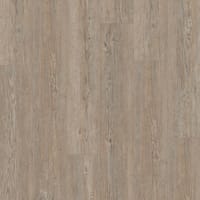
Tarkett
iD inspiration High Traffic 70 Classics
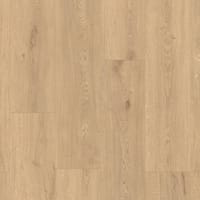
Tarkett
iD inspiration High Traffic 70 Naturals